
Last Updated: November 19, 2026
Quick Summary
Look for a wellness app that matches features to your daily routine, including mood tracking, guided exercises, and schedulable reminders. Check its privacy policy for data sharing and permissions, and confirm the content is sourced to established methods with clinical input.
- Sub-minute mood tracking and short guided exercises keep daily use realistic.
- Treat app permissions like access to your bank account.
- Question a meditation app that requests contacts or location.
- Confirm consent is explicit and revocable with data deletion.
- An app supports healthy habits but does not replace professional care.
Building a wellness routine that lasts?Saha Jamal delivers MoH-licensed wellness products across the UAE with secure payments.
Table of Contents
- What to Look for in Wellness App Features
- Wellness App Privacy and Data Security Checks That Matter
- How to Vet Best Wellness Apps for Safety and Evidence
- Frequently Asked Questions
What to Look for in Wellness App Features
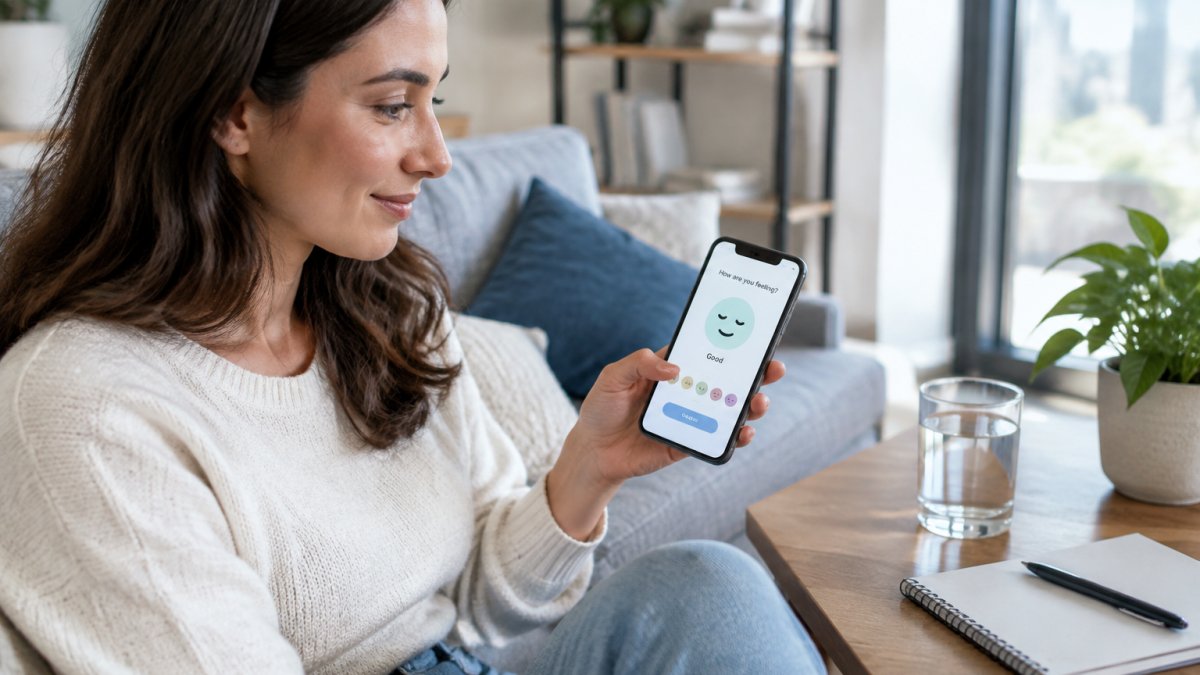
Choosing a wellness app starts with matching features to how you actually live. The best wellness app maps core features to a repeatable habit: sub-minute mood tracking, short and long guided exercises, schedulable reminders, multi-week progress patterns, and personalization that adapts to your goals. When an app’s personalization depends on connected devices, its habit-building features are easier to assess alongside the need to verify clinical wellness device claims.
Wellness App Privacy and Data Security Checks That Matter
Your mood logs, sleep data, and journal entries are sensitive personal information, treat app permissions like access to your bank account. Read the privacy policy for data sharing with advertisers or third parties, question a meditation app requesting contacts or location, confirm consent is explicit and revocable with data deletion, and check encryption and breach-notification terms.
How to Vet Best Wellness Apps for Safety and Evidence
Safety and evidence separate a genuine wellness tool from a well-designed distraction, and evidence-based strategies should be visible in the app, not just its marketing copy. Ask whether content is sourced to established methods, who built it and whether qualified clinicians contributed, and whether readable text and inclusive design support daily use. Wellness app safety also means knowing the limits: an app can support stress management and healthy habits, but it does not replace professional care for a diagnosed health condition. If you are browsing supplements to pair with your routine, you can explore our wellness support range and browse a daily multivitamin option or a premium supplement as examples of how evidence-led products are presented.
| Check | What to Look For | Why It Matters |
|---|---|---|
| Feature fit | Mood tracking, guided exercises, reminders | Keeps daily use realistic |
| Privacy | Clear policy, limited permissions, consent | Protects personal information |
| Evidence | Sourced methods, clinical input | Separates substance from marketing |
| Cost | Free trial, clear renewal terms | Avoids surprise charges |
| Accessibility | Readable text, simple navigation | Supports consistent use |
The hardest part is not finding an app. It is building a routine that lasts past the first week. Saha Jamal supports that routine with MoH-licensed wellness products, a flat AED 15 shipping charge across the UAE, delivery within 2-3 working days, and 100% secured payments. Start with one app, one habit, and the products that fit your goals.
Frequently Asked Questions
How do I know if a wellness app is trustworthy?
Check three things. First, whether the app names the clinical evidence behind its programs and publishes outcomes rather than vague claims. Second, whether it explains how it collects, stores and shares personal information, including app permissions and user consent. Third, whether it is clear about subscriptions, free trials and cancellation terms before you pay. An app that answers all three openly is a safer bet than one that hides them in a long policy document.
How can I check whether a wellness app protects my data?
Open the app permissions on your phone and see what it actually requests. A meditation or mood tracking app rarely needs access to contacts or precise location. Read the privacy section for how long data is kept and whether it is shared with third parties. Look for a PIN or biometric lock on personal entries. If the app cannot explain its data practices in plain language, treat that as a reason to skip it.
Are wellness apps a substitute for professional care?
No. Wellness apps support self-care through mood tracking, guided meditation, sleep techniques and habit building, but they do not diagnose or treat health conditions. If low mood, anxiety or sleep problems persist for weeks or affect daily life, speak to a licensed clinician. Use an app alongside professional advice, not instead of it, and be wary of any app that promises to replace medical care.