Last Updated: November 4, 2026
Quick Summary
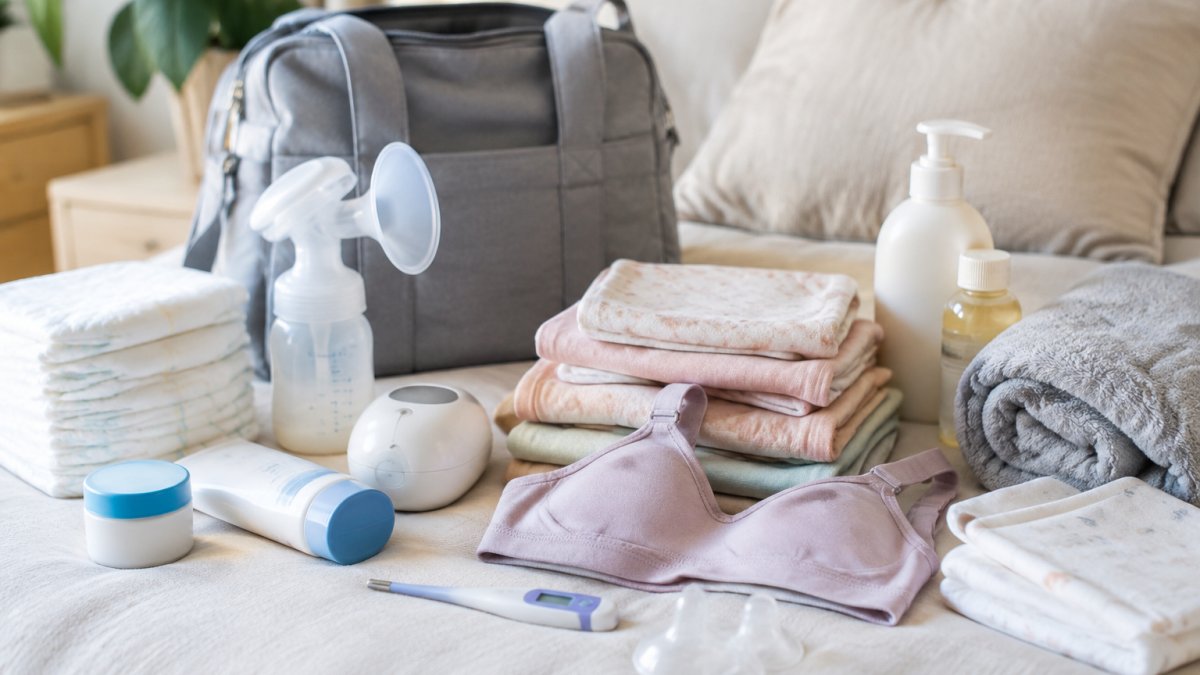
Maternal care essentials for new moms are the supplies you gather before birth so recovery never depends on a last-minute shop run. Build a kit covering heavy-absorbency maternity pads, a peri rinse bottle, sitz bath supplies, nursing bras and pads, and a large water bottle, all kept within arm’s reach.
- Change maternity pads every two to three hours in the early days to reduce irritation.
- Rinse front to back with a peri bottle after every bathroom trip for at least the first week.
- Sitz baths of 10 to 15 minutes, two to three times a day, usually start after the first 24 hours.
- Call your doctor immediately if bleeding soaks a pad within an hour or you have a fever.
- Saha Jamal delivers maternal care essentials within an estimated 2-3 working days.
Table of Contents
- Building Your Postpartum Recovery Kit: What to Pack Before Birth
- Perineal Care After Birth: Rinsing, Soothing and Healing
- Breastfeeding Essentials for New Moms: Bras, Pads and Support
- Postpartum Warning Signs: When to Call a Doctor
- C-Section Recovery, Rest and Emotional Care in the Fourth Trimester
- Ordering Your Maternal Care Essentials with Saha Jamal
- Frequently Asked Questions
Building Your Postpartum Recovery Kit: What to Pack Before Birth
A postpartum recovery kit is a prepared set of supplies, kept within arm’s reach, that covers bleeding, perineal soreness, feeding and comfort during the first weeks after delivery.

Maternity Pads and Disposable Underwear for Postpartum Bleeding
Postpartum bleeding, called lochia, continues for weeks after delivery and is heaviest in the first days. Pack heavy-absorbency maternity pads rather than regular sanitary towels, and change them often to reduce irritation. Disposable underwear saves laundry in the first week; supportive high-waisted underwear helps once bleeding settles. Keep a spare set of both in your bag and another by the bed.
Pain Relief, Ice Packs and Swelling Management
Swelling and afterpains are normal in the early days. Cold packs ease perineal swelling, while a heat belt or warm compress helps with back and shoulder aches from feeding posture. If you plan to use a TENS unit or any over-the-counter medicine, check with your doctor or pharmacist first, especially while breastfeeding. Our Omron Pocket Tens Pain Reliever is a drug-free option many parents ask us about, and the Flamingo orthopaedic heat belt is a practical pick for lower-back strain.
Perineal Care After Birth: Rinsing, Soothing and Healing
Perineal care after birth is the daily routine of keeping the area clean, reducing soreness and supporting healing, and it matters most in the first two weeks when lochia is heaviest and any stitches are still fresh. A peri rinse bottle is the workhorse: fill it with warm water, rinse front to back after every trip to the bathroom instead of wiping, then pat dry with a clean towel or unscented wipe. Our Femfresh intimate soothing wash is a mild option for sensitive skin.
A sitz bath, sitting in a shallow basin of warm water for 10 to 15 minutes, two to three times a day, can soothe discomfort and keep the area clean once your doctor confirms it is suitable, usually after the first 24 hours. Keep the basin dedicated to this use and clean it between sessions. Cold packs wrapped in a cloth for 10 to 20 minutes at a time help with swelling in the first 48 hours; after that, warmth is often more comfortable. Do not use a sitz bath or cold pack on a cesarean incision unless your doctor has specifically cleared it.
If you had a vaginal tear or an episiotomy, expect stitches to dissolve on their own within one to two weeks; do not tug at them. Keep the area dry by changing pads often and letting air reach the skin when you rest. Sharp pain, a bad smell, a fever, or a wound that becomes hot and inflamed are reasons to call your doctor rather than wait.
For readers planning a cesarean birth, perineal care still applies, you will have lochia too, but the priority shifts to incision care: keep the wound clean and dry, pat it dry after showering, and avoid soaking it. The same gentle wash and frequent pad changes serve both recovery paths, so pack the peri bottle and sitz bath regardless of how you give birth.
Here are the perineal care timings and routines the article recommends for the first weeks after birth.
| Care step | How to do it | Timing or frequency |
|---|---|---|
| Peri rinse bottle | Warm water, rinse front to back, pat dry | After every bathroom trip, at least first week |
| Maternity pad changes | Change often to reduce irritation | Every two to three hours in early days |
| Sitz bath | Shallow basin of warm water, 10 to 15 minutes | Two to three times a day, after first 24 hours |
| Cold packs | Wrapped in a cloth | 10 to 20 minutes at a time, first 48 hours |
| Dissolving stitches | Do not tug at them | Dissolve within one to two weeks |
Breastfeeding Essentials for New Moms: Bras, Pads and Support
Breastfeeding essentials for new moms cover fit, leakage and comfort. Choose a nursing bra that fits without digging straps, stock absorbent nursing pads for leaks, and keep a large water bottle within reach during feeds. If you plan to express, compare pumps before birth so you are not deciding while exhausted; the Medela Swing Maxi electric breast pump is one option to review. For leaks, our Pigeon Honey Comb breast pads are a simple, absorbent choice.
Postpartum Warning Signs: When to Call a Doctor
Postpartum warning signs are symptoms that need urgent medical attention, not home remedies. Contact your doctor or emergency services immediately if you have heavy bleeding that soaks a pad within an hour, fever, severe headache, calf pain, chest pain, shortness of breath, or a wound that becomes hot and inflamed. Persistent low mood, hopelessness or trouble bonding also deserve a conversation with your doctor.
C-Section Recovery, Rest and Emotional Care in the Fourth Trimester
The fourth trimester is the first three months after birth, when both body and mind adjust, and it is easier to manage when you plan it in stages rather than as one long blur. In the first 24 hours, focus on rest, skin-to-skin contact where possible, and getting help with lifting and household tasks. In the first week, keep supplies within arm’s reach, accept practical help, and eat regular meals with plenty of water. From weeks two to six, gradually add gentle movement, short walks, and pelvic floor exercises once your doctor confirms it is safe.
After a cesarean birth, incision care is the priority: keep the wound clean and dry, pat it dry after showering rather than rubbing, and support your abdomen with a pillow when you cough or laugh. Avoid lifting anything heavier than your baby until cleared, and watch for signs of infection, increasing redness, warmth, oozing, or fever, which need a doctor’s review rather than home remedies (Caring for your wound after having a caesarean section).
Rest is not a luxury in this period; it is part of recovery. Sleep when the baby sleeps where you can, and split night feeds with a partner or family member so you get at least one longer stretch.
Warning signs that need urgent medical attention, not home remedies, include heavy bleeding that soaks a pad within an hour, fever, severe headache, calf pain, chest pain, shortness of breath, or a wound that becomes hot and inflamed.
Ordering Your Maternal Care Essentials with Saha Jamal
Packing your kit early removes one task from the weeks after birth. Order your maternal care essentials from Saha Jamal and have them delivered to your door, with a flat AED 15 shipping charge, 100% secured payments, and estimated delivery within 2-3 working days. Saha Jamal is MoH-licensed, so you can shop with confidence. Get started with Saha Jamal today and have your recovery kit ready before the baby arrives.
Frequently Asked Questions
What essentials do new moms need after giving birth?
A practical maternal care essentials list covers maternity pads and disposable underwear for postpartum bleeding, a peri rinse bottle and perineal spray, ice packs or a heating pad, comfortable nursing bras and nursing pads, a large water bottle, and easy snacks. Add any prescribed medicines and your hospital discharge paperwork. Pack the kit before your due date so it is ready in the first few weeks, when leaving the house is difficult.
What should a postpartum recovery kit include for perineal care after birth?
A postpartum recovery kit for perineal care after birth should include a peri rinse bottle for warm water rinses after every toilet visit, maternity pads, disposable underwear, and a perineal spray or sitz bath product if your doctor approves. Ice packs help in the first 24 to 48 hours. Change pads often and keep the area clean and dry. Ask your healthcare professional before using any medicated spray or over-the-counter pain relief.
What are the warning signs to watch for after giving birth?
Contact a healthcare professional urgently if you have heavy bleeding that soaks a pad within an hour, fever, chills, severe headache, chest pain, shortness of breath, painful or swollen legs, a wound that becomes red or discharges, or a foul-smelling discharge. Persistent sadness, hopelessness or thoughts of harming yourself or your baby also need immediate help. Postpartum warning signs are not a reason to wait and see.
How long does postpartum recovery take?
The first six weeks are usually called the fourth trimester and are when most healing happens. Postpartum bleeding typically eases over two to six weeks, and perineal soreness improves gradually. A cesarean birth usually needs a longer recovery. Rest, hydration, nutrition and help at home all support healing. Your postnatal check is the point to raise anything that has not settled, and you should not wait for it if warning signs appear.
Where can I order maternal care essentials for home delivery?
Saha Jamal is a Ministry of Health licensed online healthcare platform in the UAE, with more than three decades of experience in the Middle Eastern beauty and healthcare industry. Orders ship for a flat AED 15 across the UAE, with estimated delivery within 2-3 working days, 100% secured payments and flexible returns. That makes it a practical way to restock maternity pads, nursing pads and perineal care items without leaving home in the first few weeks.