Last Updated: November 16, 2026
Quick Summary
To ship health goods safely, match packaging to the product and journey: check the primary seal, wrap glass in a bubble sleeve or foam pouch, fill every gap so nothing shifts, and use a rigid double-wall carton with a tamper-evident seal. For temperature-sensitive items, insulate, add a correctly sized gel pack kept away from the product, and ship early in the week to avoid weekend holds.
- Never pack a liquid directly against a hard edge of the carton.
- Condition gel packs before packing, since an overly cold pack can damage creams.
- Add a temperature indicator strip to high-risk shipments and check it on arrival.
- Quarantine damaged stock on receipt rather than returning it to sale.
- Check the shipping label and documentation against the order before dispatch.
Need health products delivered safely?Saha Jamal ships MoH-licensed skincare and wellness products across the UAE with secure payments and easy returns.
Table of Contents
- Why Safe Shipping Practices for Health Goods Matter
- Medical Product Packaging Guidelines for Health Goods
- Shipping Temperature-Sensitive Healthcare Products
- Your Healthcare Product Shipping Checklist
- Frequently Asked Questions
Why Safe Shipping Practices for Health Goods Matter
Health goods fail in transit for boring reasons: heat, movement, and moisture. This guide covers how to ship health goods safely, from packaging to carrier choice to pre-dispatch inspection. A cracked serum bottle or heat-damaged supplement can lead to a refund, a complaint, and a lost customer.
Medical Product Packaging Guidelines for Health Goods
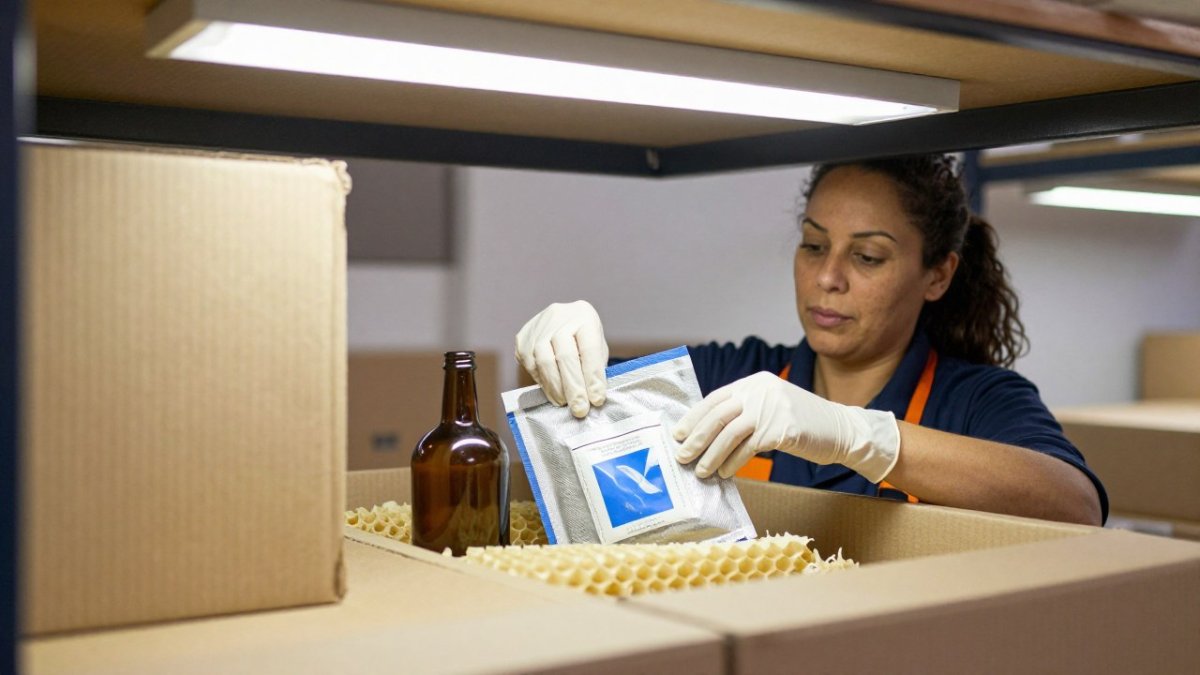
Start with the product, not the box. A glass serum bottle needs different protection than a boxed supplement or a tube of cream. Match packaging to the item and the journey, and most damage problems disappear before the parcel is sealed.
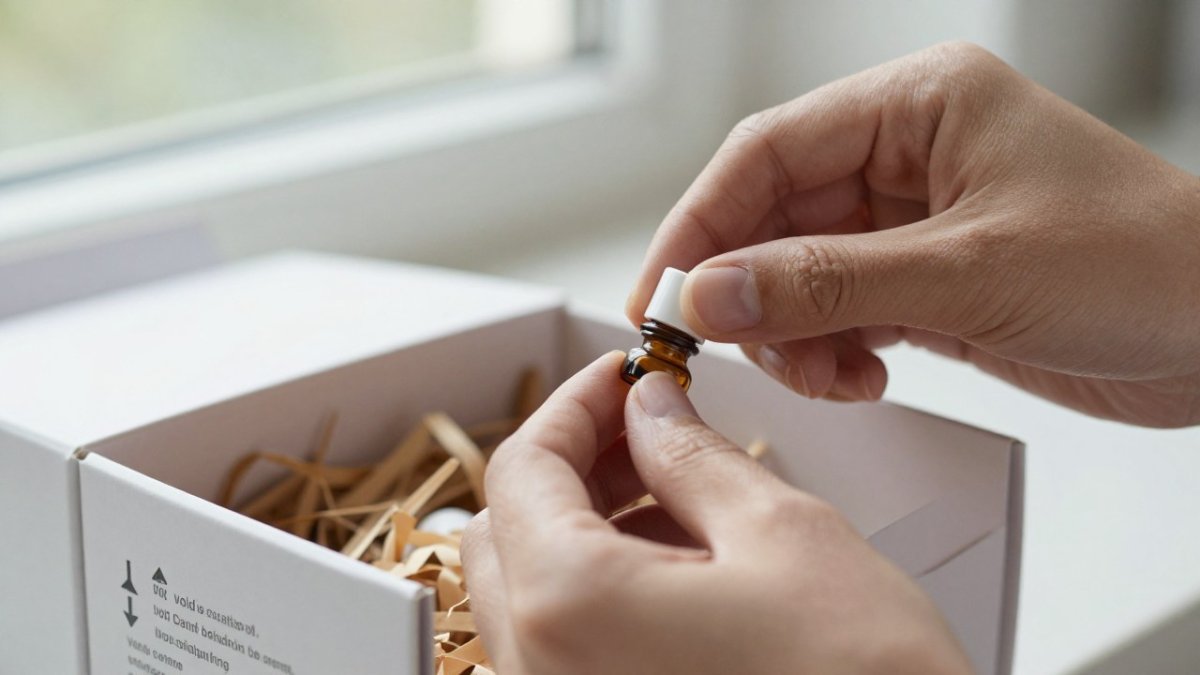
Work through these choices in order:
- Primary container: check the cap or seal is tight and intact before packing.
- Protective wrap: use a bubble sleeve or foam pouch around glass and rigid plastic.
- Void fill: fill every gap so the item cannot shift when the box is tilted.
- Outer carton: use a rigid, double-wall box sized close to the product.
- Tamper evidence: add a seal so the customer can see the parcel was not opened.
Two rules matter more than the rest: never let an item move inside the box, and never pack a liquid directly against a hard edge. Overfilling a box with one layer of bubble wrap and calling it done is a common mistake, because the item can still shift and crack.
Match each packaging layer to the product and the journey, working through these choices in order.
| Packaging layer | What to do |
|---|---|
| Primary container | Check cap or seal is tight and intact |
| Protective wrap | Bubble sleeve or foam pouch around glass and rigid plastic |
| Void fill | Fill every gap so the item cannot shift |
| Outer carton | Rigid, double-wall box sized close to the product |
| Tamper evidence | Add a seal showing the parcel was not opened |
Shipping Temperature-Sensitive Healthcare Products
Temperature is the hardest part of health goods logistics. Creams, serums, and supplements degrade when a parcel sits in a hot delivery van. You cannot control the weather, but you can control exposure time and insulation. Reducing time in transit and choosing insulation suited to the product help limit temperature swings, while Seatram offers a useful next step for thinking through temperature-sensitive shipping.
Build the cold chain in layers:
- Insulate: use a foil-lined or foam-lined shipper for heat-sensitive items.
- Add coolant: use a gel pack sized to the box and the transit time.
- Separate: keep the coolant from direct contact with the product.
- Monitor: add a temperature indicator strip to high-risk shipments.
- Plan the route: ship early in the week and avoid weekend holds.
Watch out: a gel pack that is too cold can damage a cream as easily as heat. Condition the pack before packing. If a parcel is delayed, treat it as an excursion and inspect the product before it reaches the customer.
UAE Ministry of Health and Prevention guidance on health product regulation
Your Healthcare Product Shipping Checklist
Use one checklist for every parcel. It can catch costly errors in a few minutes. This is a healthcare product shipping checklist that can be used before any health product leaves the building.
Before dispatch:
- Product seal and cap checked and intact
- Protective wrap applied to glass and rigid items
- Void fill added so nothing shifts
- Coolant and insulation added for temperature-sensitive items
- Tamper-evident seal applied to the carton
- Orientation arrows and handling labels on the outside
- Shipping label and documentation checked against the order
- Carrier selected for the transit time and product type
On receipt:
- Outer carton inspected for damage before opening
- Temperature indicator checked where used
- Product inspected and any damage logged
- Damaged stock quarantined, not returned to sale
The inspection step is where many operations get sloppy. A quick visual check on arrival, logged with a photo, can protect both the customer and stock records. If a parcel arrives warm or damaged, do not guess. Quarantine it and review the shipment.
UAE Ministry of Economy guidance on product safety and consumer protection
For readers also exploring home monitoring and wellness supplies, our guide to the 7 best home health monitoring devices covers products that need the same careful handling. If you are shipping a medical-grade item such as Beurer Medical Gel Pads EM59, treat it as temperature-sensitive and pack it accordingly. For a broader look at staying well, see our guide on how to improve immunity naturally.
Safe shipping is a chain of small decisions, and one weak link ruins the parcel. At Saha Jamal, we take that seriously: every order ships with a flat AED 15 charge, arrives in an estimated 2-3 working days, and is backed by 100% secured payments and flexible returns. Our MoH-licensed platform gives you peace of mind from checkout to doorstep. Get started with Saha Jamal and shop trusted health and beauty products with delivery you can rely on.
Frequently Asked Questions
How should health products be packaged for shipping?
Use a rigid outer carton with a non-reactive inner layer, and fill empty space with void fill so items cannot shift. Wrap bottles and jars individually, keep liquids upright, and add orientation arrows and handling instructions on the outside. Tamper-evident seals give the recipient visible proof the parcel was not opened in transit. For skincare and wellness items, keep the product in its original sealed packaging inside the carton so labels and batch details stay readable and the item is protected from impact.
How do you keep temperature-sensitive health products safe during delivery?
Plan the cold chain before dispatch: choose insulation and coolant matched to the expected transit time, and confirm the carrier can move the parcel without long stops. Add a temperature monitor to parcels carrying pharmaceuticals, biological substances or medical items that need temperature control, and check the reading on arrival. If the monitor shows an excursion, quarantine the item and review it against the product’s storage conditions before releasing it. Shorter routes and earlier dispatch times reduce the window in which temperatures can drift.
What should you do if a health product arrives damaged or warm?
Do not use the product. Photograph the parcel, the packaging and any temperature indicator, then contact the seller with your order number and images. A damaged carton, a broken tamper seal or a warm item that should have been cold is a delivery inspection failure, and it should be reviewed before anyone uses it. Keep the item in quarantine until you get a replacement or a return decision, since product integrity cannot be confirmed once conditions in transit are in doubt.