Last Updated: October 26, 2026
Quick Summary
Dermatologist recommended products for acne center on three proven actives: benzoyl peroxide for inflammatory acne, salicylic acid for blackheads and congestion, and topical retinoids for recurring blockages and texture. Match the active and its concentration to your acne type, and give each product six to twelve weeks before judging results.
- Start benzoyl peroxide at 2.5% to 5% for red, raised papules and pustules.
- Use 2% salicylic acid two to three nights weekly for blackheads and congestion.
- Introduce one active two nights per week, buffered with moisturizer, for the first two weeks.
- Most acne treatments need six to eight weeks for clear improvement, up to twelve for full results.
- Choose fragrance-free formulas and avoid scrubs, layered acids and alcohol-heavy toners.
Table of Contents
- What Dermatologists Actually Look For in Acne Products
- Benzoyl Peroxide: The First-Line Treatment for Inflammatory Acne
- Salicylic Acid for Acne: What It Does and Who It Suits
- Topical Retinoids and Prescription Options for Moderate-to-Severe Acne
- Building an Acne Skincare Routine That Protects Your Skin Barrier
- Products for Back Acne and Body Breakouts
- How Long Acne Treatments Take to Work
- Choosing Your Acne Products from a Licensed Source
- Frequently Asked Questions
What Dermatologists Actually Look For in Acne Products
Walk into any pharmacy and you’ll find shelves of products promising clear skin. Very few of them qualify as dermatologist recommended products for acne.
Acne is a skin condition where hair follicles become blocked with oil and dead skin cells, triggering inflammation and lesions. (ncbi.nlm.nih.gov)
The Active Ingredients That Earn Their Place
- Benzoyl peroxide for inflammatory acne and acne-causing bacteria
- Salicylic acid, a beta hydroxy acid that clears pore congestion and comedones (ncbi.nlm.nih.gov)
- Topical retinoids for preventing new blockages and improving texture
Matching the Active to Your Acne Type
| Acne pattern | First-line active | Typical concentration | Format to look for |
|---|---|---|---|
| Blackheads and whiteheads (comedonal) | Salicylic acid | 2% | Leave-on exfoliant or cleanser |
| Red, raised papules and pustules (inflammatory) | Benzoyl peroxide | 2.5%-5% to start | Short-contact wash or thin layer |
| Recurring blockages, rough texture, post-inflammatory marks | Topical retinoid | 0.5% retinol OTC; prescription retinoids by review | Serum or cream, evening use |
| Oily skin with mild inflammation | Salicylic acid or sulfur | 2% salicylic; sulfur in wash-off formats | Gel or wash |
| Sensitive, reactive skin | Lower-strength salicylic acid or a single retinoid introduced slowly | Start below standard strength | Fragrance-free, buffered formula |
How to Read a Label Before You Buy
- The active ingredient and its concentration, this is the only part of the label with a regulated, standardized meaning.
- Non-comedogenic claim, useful, but not a guarantee; patch-test anyway.
- Fragrance-free vs. unscented, “unscented” can still contain masking fragrance; “fragrance-free” is the safer choice for acne-prone skin.
- Format, a wash-off product is gentler but has less contact time; a leave-on product is more effective but more irritating. Match the format to your tolerance.
How These Recommendations Were Selected
- Proven active at a sensible concentration, benzoyl peroxide, salicylic acid, or a retinoid, at a strength appropriate for starting out.
- Format fit, the delivery format (wash, leave-on, serum) matches the acne type and the user’s tolerance.
- Low irritation burden, fragrance-free where possible, and no unnecessary drying alcohols or scrubs.
- Practicality, available in a size and price that supports the six-to-twelve-week trial most actives need.
Benzoyl Peroxide: The First-Line Treatment for Inflammatory Acne
shop the Panoxyl acne treatment bar in a 100g format.
Salicylic Acid for Acne: What It Does and Who It Suits
browse a 2% salicylic acid exfoliant if you prefer a rinse-off clarifying step, or try a leave-on anhydrous salicylic solution if you want targeted overnight treatment.
Topical Retinoids and Prescription Options for Moderate-to-Severe Acne
shop a 0.5% retinol serum. For severe, nodular or scarring acne, prescription options such as isotretinoin exist but require a dermatologist’s supervision. Do not self-prescribe prescription treatment.
Building an Acne Skincare Routine That Protects Your Skin Barrier
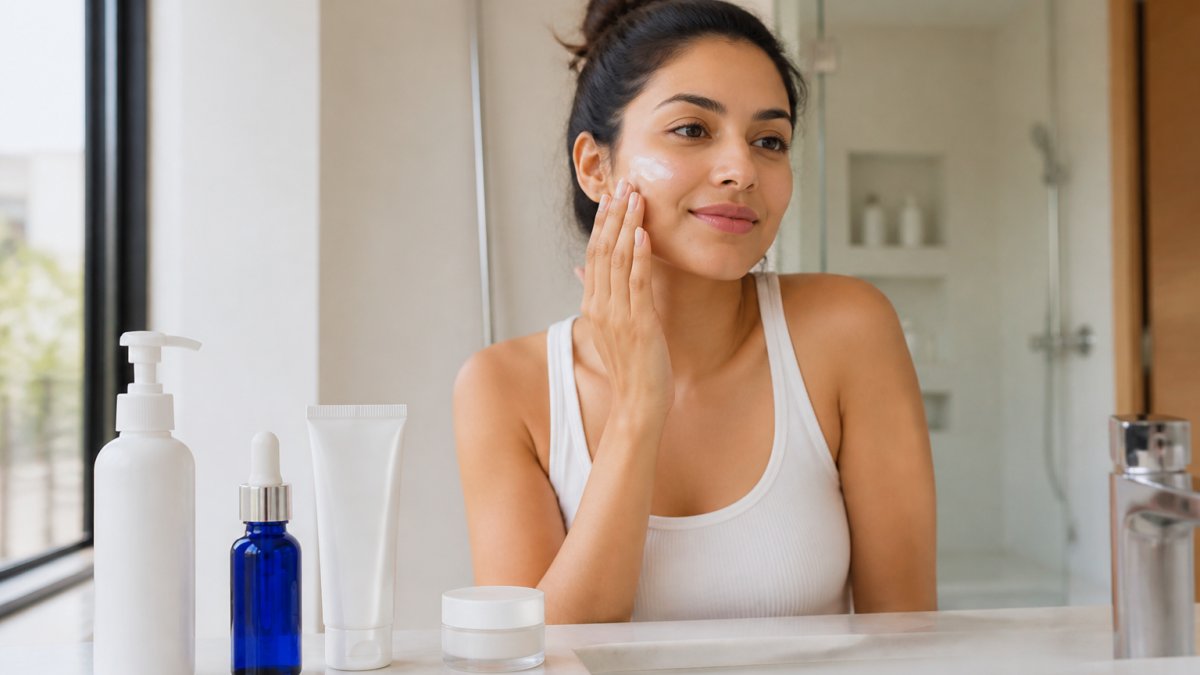
A good acne skincare routine is built around the skin barrier, not against it. Over-treating is the most common reason routines fail: when the barrier is compromised, skin becomes reactive, stings, and looks redder, which makes people abandon treatment just as it would start working. Keep it simple, a gentle cleanser, one or two actives, a non-comedogenic moisturizer, and sunscreen every morning, and let frequency, not product count, do the work.
Morning Order and Evening Order
If you wear makeup or heavy sunscreen, a separate oil cleanser or micellar step before your regular cleanser reduces the need to scrub, which is itself a common irritation trigger.
How to Introduce Actives Without Irritation
- Weeks 1-2: one active, two nights per week, buffered with moisturizer
- Weeks 3-4: same active, three nights per week if skin is calm
- Week 5 onward: nightly use, or add a second active on alternate nights
| Active | Best For | Start Frequency | Main Risk |
|---|---|---|---|
| Benzoyl peroxide | Inflammatory acne | Once daily | Dryness, fabric bleaching |
| Salicylic acid | Blackheads, congestion | 2-3 nights weekly | Stinging, flaking |
| Topical retinoid | Moderate-to-severe acne | 2 nights weekly | Irritation, sun sensitivity |
What to Avoid in an Acne Routine
- Scrubs and physical exfoliants, they aggravate inflammation and can worsen post-inflammatory marks.
- Layering multiple acids on the same night, salicylic acid plus a retinoid plus benzoyl peroxide is a recipe for a compromised barrier.
- Alcohol-heavy toners and astringents, they strip oil temporarily but often trigger rebound oiliness.
- Switching products every two weeks, actives need six to twelve weeks to show their full effect.
Products for Back Acne and Body Breakouts
How Long Acne Treatments Take to Work
Most acne treatments take six to eight weeks of consistent use before you see clear improvement, and up to twelve weeks for full results. This is the part most people get wrong: they switch products after two weeks, right when the active is starting to work. Give each treatment a fair trial, track your skin weekly, and only change one variable at a time. Patience during this initial phase is essential, as managing active breakouts effectively is the necessary first step before addressing any lingering treatments for acne scarring.
Choosing Your Acne Products from a Licensed Source
At Saha Jamal, our MoH-licensed platform offers skincare with a flat AED 15 shipping charge, estimated delivery within 2-3 working days, and secured payments. You can check the [official MoH guidance on licensed health products | mohap.gov.ae] for reassurance.
Frequently Asked Questions
Which ingredients do dermatologists recommend for acne?
Dermatologists most often recommend benzoyl peroxide for inflammatory acne, salicylic acid for blackheads and pore congestion, and topical retinoids for long-term clearing and prevention. Sulfur and niacinamide appear in many over-the-counter formulas for oily and sensitive skin. Prescription options such as isotretinoin are reserved for moderate-to-severe acne that has not responded to topical treatment. Matching the active ingredient to your skin type and acne severity matters more than the number of products you use, and consistency over several weeks is what produces results.
How long do acne products take to work?
Most acne treatments need 6 to 12 weeks of consistent use before you can judge them. Benzoyl peroxide may reduce new inflamed spots within 2 to 4 weeks, while topical retinoids typically show clearer skin around week 8 to 12 as cell turnover normalises. Some people notice mild dryness or purging in the first few weeks, which is not a reason to stop. Photograph your skin weekly and give each new product a full treatment duration before switching, since changing products too often prevents any of them from working.
How should I layer acne products in a skincare routine?
Apply products from thinnest to thickest texture. In the morning, use a gentle cleanser, then a salicylic acid or niacinamide serum, then a non-comedogenic moisturizer and sunscreen. In the evening, cleanse, apply your retinoid or benzoyl peroxide to dry skin, wait a few minutes, then follow with moisturizer. Avoid using benzoyl peroxide and retinoids in the same layer at first; alternate nights until your skin tolerance builds. Sunscreen is essential in the morning because retinoids make skin more sensitive to sunlight.
When should I see a dermatologist about acne?
Book a dermatologist if you have deep painful nodules, acne that leaves scars or dark marks, or breakouts that have not improved after 8 to 12 weeks of consistent over-the-counter treatment. You should also seek professional care if acne is affecting your mental health, or if you are pregnant, breastfeeding or taking medication that may interact with acne actives. A dermatologist can prescribe retinoids, antibiotics or isotretinoin where appropriate and confirm which products are safe for your situation.
Acne is manageable when you match proven actives to your skin and stay consistent. Saha Jamal makes that easier with MoH-licensed products, a flat AED 15 shipping charge, 2-3 working day delivery, and secured payments. Get started with Saha Jamal and build a routine that actually clears your skin.